Contents (11 sections)
- Defining Influencer Marketing Trends
- The Rise of Micro and Nano-Influencers
- Authenticity and Transparency
- Utilising Live Streaming and Interactive Content
- Integration of AI in Influencer Marketing
- Sustainability and Social Responsibility
- Future of Affiliate Marketing
- Conclusion and CTA
What Are the Trends in Influencer Marketing?
Influencer marketing continues to evolve rapidly, and as of 2026, several key trends are shaping its landscape. These trends not only redefine how brands collaborate with creators but also influence consumer behaviours and expectations. Understanding these trends is crucial for marketers who aim to leverage influencer partnerships effectively. Recognising the need for authenticity and connection, influences are seeking to engage audiences in more meaningful ways, while brands look for innovative strategies to reach their target demographics. Engagement, trust, and creativity have become the cornerstones of successful campaigns in the dynamic online space.
The Rise of Micro and Nano-Influencers
One of the most significant trends in influencer marketing for 2026 is the growing prominence of micro and nano-influencers. Unlike their high-profile counterparts, these influencers tend to have smaller, more engaged followings, often ranging from 1,000 to 100,000 followers. Brands have started to realise that working with micro and nano-influencers can lead to increased authenticity and better engagement rates. Known for their closer connections with followers and niche audiences, these influencers generate meaningful interactions, often translating into higher conversion rates. According to a 2025 study by Influencer Marketing Hub, micro-influencers boast an engagement rate of 7% compared to just 1.7% for macro-influencers.
Brands such as Coty have adopted this strategy by collaborating with a network of smaller influencers to tap into niche markets. By 2026, it is predicted that 70% of brands will shift their focus towards micro-influencer campaigns, forging deeper connections and fostering trust. The unique storytelling capabilities of these influencers can drive organic traffic and cultivate brand loyalty.
Authenticity and Transparency
In an age where consumers are increasingly sceptical of traditional advertising methods, the demand for authenticity and transparency in influencer marketing has surged. Audiences are becoming more discerning and seek genuine connections with brands. Therefore, influencers are now expected to share not just products, but their real experiences, thoughts, and feelings about them.
This trend has been reinforced by the growing backlash against influencer marketing that feels overly polished or inauthentic. A notable example is Patagonia, which sees value in partnering with influencers that align with its ethical practices. In fact, influencer collaborations that highlight these values saw a 26% increase in consumer trust according to research from Harris Poll. Brands adopting this approach in 2026 are expected to foster stronger audience connections by prioritising truthfulness over the idealised versions of influencer lifestyles.
Utilising Live Streaming and Interactive Content
By 2026, live streaming has transformed how brands interact with their audiences through influencers. This format allows for real-time engagement, resulting in instant feedback and creating a sense of community among followers. Platforms like Instagram Live and Facebook Live have become essential tools for influencers wanting to connect actively.
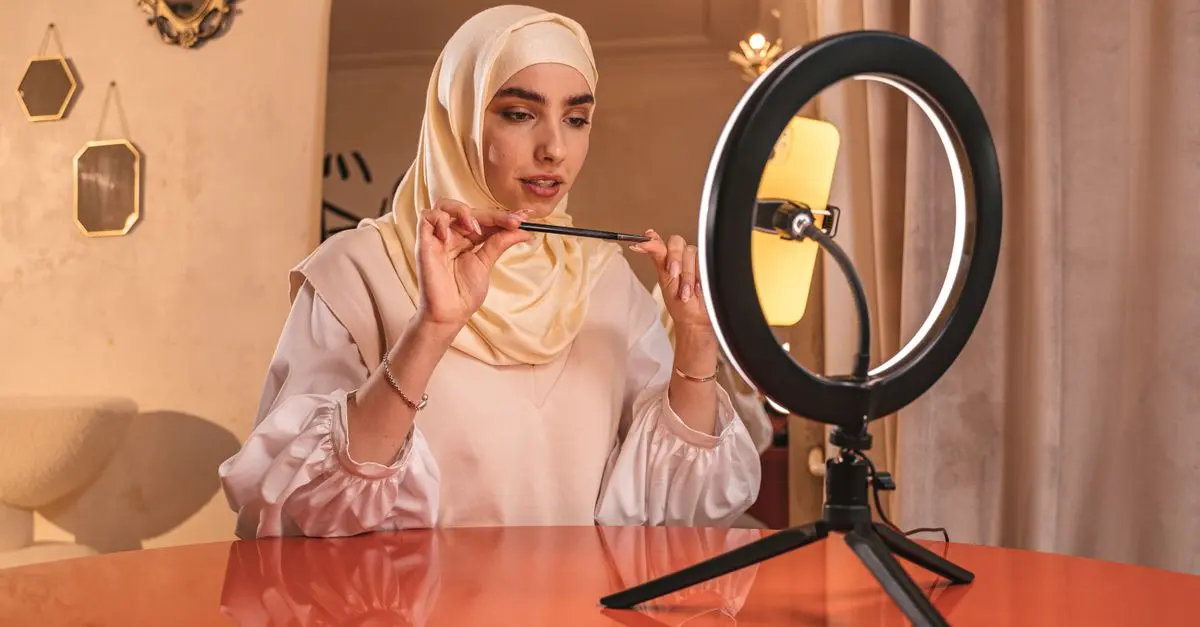
During live sessions, influencers can showcase products, answer questions, and offer live discounts, enhancing the shopping experience. Consumers appreciate being part of the conversation, thus increasing brand loyalty. Beauty brands such as Glossier have effectively utilised this trend, hosting live makeup tutorials where influencers demonstrate products in real-time. This interactive approach not only boosts engagement but also converts viewers into customers, making it a vital strategy for influencer marketing in 2026.
Integration of AI in Influencer Marketing
The integration of artificial intelligence in influencer marketing is another significant trend for 2026. AI technologies enhance the effectiveness of influencer marketing campaigns by facilitating data analysis, audience targeting, and content creation. AI tools assess engagement metrics and audience demographics, helping brands choose the right influencers and optimise their campaigns.
For example, platforms such as HypeAuditor use AI algorithms to provide insights on influencer audiences, ensuring businesses find the most suitable candidates for partnerships. Moreover, AI-driven tools can help craft content strategies that resonate with targeted segments, which is crucial in a saturated market. It is anticipated that by 2026, brands utilising AI tools in influencer marketing will achieve a 30% higher ROI compared to those who do not.
Sustainability and Social Responsibility
A growing trend influencing influencer marketing in 2026 is the emphasis on sustainability and social responsibility. Consumers increasingly prefer brands that demonstrate commitment to ethical practices and sustainable initiatives. Thus, influencers promoting eco-friendly products or brands are gaining traction as they align with these values.
In 2026, it is projected that campaigns showcasing sustainability will significantly enhance brand perception and consumer trust. For instance, The Body Shop's collaborations with eco-conscious influencers emphasise transparency regarding sourcing and production processes. Sustainable influencers effectively communicate brand values, leading to improved brand favourability among conscious consumers. Therefore, aligning with influencers who share sustainability ethics is essential for brands looking to enhance their reputation in today's market.
Future of Affiliate Marketing
Affiliate marketing is set to undergo substantial transformation by 2026, particularly in influencer partnerships. The integration of affiliate links within social media posts presents a mutually beneficial arrangement, enabling influencers to earn commissions through sales generated from their audience.
As technology evolves, utilising advanced affiliate marketing software allows for better tracking of conversions. According to Statista, affiliate marketing spending is expected to surpass £11.2 billion in the UK by 2026. Brands are increasingly leveraging affiliate collaborations with influencers to tap into new audiences, making it a dynamic aspect of influencer marketing strategy moving forward.
Conclusion and CTA
Navigating the trends in influencer marketing for 2026 provides invaluable insights for brands seeking to optimise their strategies effectively. Whether leveraging the power of micro-influencers or embracing AI-driven techniques, understanding these developments is crucial in building meaningful connections with target audiences. To stay ahead in the competitive influencer marketing landscape, brands must remain agile and open to these emerging trends.
📺 To go further: [A Complete Guide to Influencer Marketing 2026], an in-depth analysis of current trends. Search on YouTube: "influencer marketing trends 2026".
Checklist before Implementing Influencer Marketing
- [ ] Identify your target audience
- [ ] Research and select appropriate influencers
- [ ] Define your campaign goals and metrics
- [ ] Create engaging and authentic content
- [ ] Monitor performance and adjust strategies accordingly
Glossary
| Terme | Définition |
|---|---|
| Influencer | Une personne ayant une influence sur une audience, souvent sur les réseaux sociaux. |
| Engagement | Interaction des utilisateurs avec le contenu, mesuré par des likes, commentaires, partages. |
| ROI (Retour sur investissement) | Mesure de la rentabilité d'un investissement, exprimée en pourcentage. |