
Contents (19 sections)
In the ever-evolving landscape of digital marketing, influencer marketing trends have become increasingly significant. Influencer marketing harnesses the power of individuals with a dedicated following on social media platforms. It allows brands to reach a target audience more authentically than traditional marketing methods could.
What Are Influencer Marketing Trends?
Influencer marketing trends are the patterns and shifts noticed in the way influencers interact with their audiences and promote products. As consumer behaviour changes and social media platforms continue to evolve, new trends emerge. A notable trend in 2026 is an increased focus on micro and nano influencers. These influencers may have smaller followings but often boast higher engagement rates and more authentic connections with their audience.
For instance, a study by Influencer Marketing Hub stated that campaigns leveraging micro-influencers can yield up to 60% higher engagement rates. Brands are increasingly recognising that authenticity is vital when connecting with consumers. This shift is not only a response to changing algorithms on platforms like Instagram and TikTok but also reflects a growing demand for genuine content from audiences.
Procedural Guide: How to Leverage Influencer Marketing Trends
To effectively utilise influencer marketing trends, it is essential to adopt a structured approach. Here’s a step-by-step guide:
- Identify Your Objectives: Clearly define what you want to achieve through your influencer marketing campaign—be it brand awareness, sales increase, or building community.
- Research Influencers: Look for influencers who align with your brand’s values and have an engaged audience. Use tools like BuzzSumo or Upfluence for this.
- Craft Your Campaign: Design a campaign that allows the influencer creative freedom while clearly indicating your brand message. Authentic content resonates better with audiences.
- Track Results: Set up KPIs to measure the success of the campaign. Monitor engagement rates, conversion rates, and overall ROI to refine future strategies.
By following these steps, brands can effectively navigate the vast influencer marketing landscape and stay ahead of emerging trends.


Comparative Analysis of Influencer Types
When considering influencer marketing, it's crucial to differentiate between various types of influencers. Here’s a comparative analysis of three influencer categories:
| Influencer Type | Audience Size | Typical Engagement Rate | Pros | Cons |
|---|---|---|---|---|
| Nano Influencers | <10,000 | 7-10% | Highly engaged, niche followings | Limited reach |
| Micro Influencers | 10,000-100,000 | 3-7% | Cost-effective, relatable | May lack brand visibility |
| Macro Influencers | 100,000-1M | 1-3% | Large reach, established brand | Higher costs, less personal |
Data-Driven Insights into Influencer Marketing
Recent studies indicate that influencer marketing continues to gain momentum. According to a report by Statista, the global influencer marketing market is projected to surpass £16 billion by 2026. This significant growth can be attributed to brands recognising the measurable ROI influencer campaigns can deliver.
Furthermore, data from eMarketer shows that 67% of marketers plan to increase their influencer marketing budgets in 2026 compared to previous years. Brands are increasingly investing in long-term partnerships with influencers, reflecting the shift towards building relationships rather than one-off campaigns.
Top Influencer Marketing Trends of 2026
1. Rise of Short-Form Video Content
In 2026, platforms like TikTok and Instagram Reels dominate influencer marketing strategies. Short-form video content is engaging and easily digestible, making it a compelling medium for brands. Deloitte's 2025 report suggests that short-form videos will constitute 80% of all online traffic by the end of this year. Brands should focus on integrating engaging and captivating videos into their influencer marketing campaigns.
2. Increased Authenticity and Transparency
With audiences becoming more discerning, there is a growing expectation for influencer transparency. Brands and influencers must disclose sponsorships clearly, ensuring followers are aware of paid promotions. According to the Federal Trade Commission, transparency in influencer partnerships increases trust and engagement.
3. Focus on Social Responsibility
Consumers in 2026 are more socially conscious. Influencers who demonstrate commitment to social issues resonate more with Gen Z and millennial audiences. This trend presents an opportunity for brands to align with influencers who advocate for sustainability and ethical practices.
4. Utilisation of Augmented Reality (AR) Filters
Brands are increasingly leveraging AR filters created by influencers to engage their audiences interactively. For example, L'Oréal utilised AR filters through influencers for their campaigns, enhancing user experience and brand interaction.
5. Hyper-Personalisation
Utilising AI technology, brands can create personalised influencer marketing strategies that cater specifically to the interests of different consumer segments. This level of personalisation increases engagement rates and enhances conversion as interactions feel tailored and authentic.
Q1: Why is influencer marketing important in 2026?
A1: Influencer marketing is crucial in 2026 due to its ability to create authentic connections between brands and consumers. The trust placed in influencers results in higher engagement and conversion rates.
Q2: How can I find appropriate influencers for my brand?
A2: Tools like BuzzSumo or Upfluence can help identify influencers who align with your brand values and resonate with your target audience.
Q3: What is a micro-influencer?
A3: A micro-influencer is an individual with a follower count typically between 10,000 and 100,000, known for high engagement rates and authenticity.
Q4: How do I measure the success of an influencer marketing campaign?
A4: Success can be measured through engagement rates, website traffic, and conversion metrics to establish the campaign’s ROI.
Glossary
| Terme | Définition |
|---|---|
| Influencer | A person with the ability to influence the buying decisions of others due to their authority, knowledge, position, or relationship with their audience. |
| Engagement Rate | A metric that measures the level of interaction (likes, comments, shares) a social media post receives relative to the number of followers. |
| Micro-Influencer | Influencers who have a smaller but highly engaged audience, generally defined as having between 10,000 and 100,000 followers. |


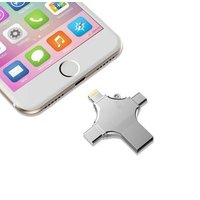
New product ideas for marketing class type c USB3.0 flash drive 4 in 1 otg cellphone usb 8GB,16GB,32GB for iphone android
Alibaba UK
Checklist before executing your influencer marketing strategy
- [ ] Define your objectives clearly
- [ ] Research potential influencers
- [ ] Create engaging content tailored to your audience
- [ ] Measure performance accurately
- [ ] Foster long-term relationships with influencers
📺 Resource Video
> 📺 For further exploration: Enhancing Your Influencer Marketing Strategy, a comprehensive analysis of the trends and challenges in influencer marketing in 2026. Search for: "how to enhance your influencer marketing strategy 2026".
📺 Pour aller plus loin : how to enhance your influencer marketing strategy 2026 sur YouTube
Recommended products
Selected by our experts


Scholastic Cat Kid Comic Club: Influencers: A Graphic Novel (Cat Kid Comic Club #5): From the Creator of Dog Man
books4people.co.uk